Most women wear a bra for more than 8 hours a day. It’s the piece of clothing with the most direct contact with your skin, sitting against your breasts all day, every day. And almost no one has looked closely at what it’s actually made of.
If you’ve been dealing with itchy nipples, irritated skin, or a rash where your bra sits and can’t figure out why: here’s your answer.
When I started to experience itching and irritation around my breasts and nipples that I couldn’t explain, my dermatologist was the one who finally said it out loud:
Lots of my patients have reactions to the elastic or coatings in their bras. Even the colorful dyes of underwear can really bother people.
I had no idea that I could have an allergic reaction to my bra.
That sent me down a rabbit hole researching what bras are actually made from, and why so many “cotton bras” still contain plastics, foam, chemical finishes, and synthetic dyes.
Why your bra may be toxic
1. Synthetic Fabrics (Polyester, Nylon & Spandex)
Nylon, polyester, spandex / elastane -> these are plastics.
These plastics are not chemically inert, meaning they can break down with heat and sweat and release tiny plastic particles and chemical fragments onto the skin.
No thanks!
They may also irritate skin more than natural fabrics because they trap heat and moisture instead of breathing and absorbing sweat.
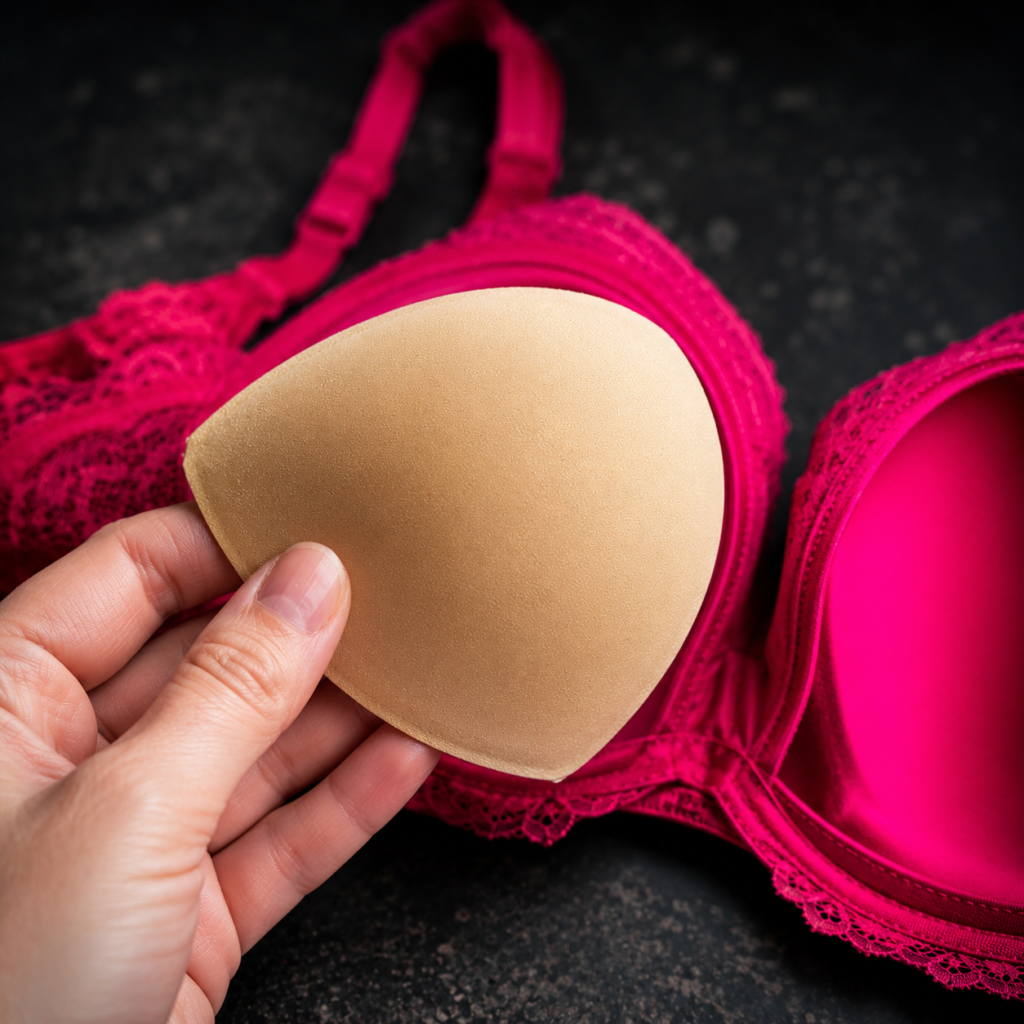
2. Bra cups = polyurethane foam
It sounds like something that could be in-between your drywall. Probably because its cousin is the spray insulation used in construction. In addition to trapping moisture and shedding microplastics like the fabrics above, polyurethane foam can release VOCs, PFAS (forever chemicals), and formaldehyde.
Volatile Organic Compounds (VOCs) are chemicals that easily evaporate into the air. They are bad because they can irritate skin, eyes, and lungs, and some types may harm the liver, kidneys, or nervous system with prolonged exposure.
Nearly all bras contain cups made of polyurethane foam because it keeps its shape when washed.
That means your bra almost certainly contains this type of foam.
3. Underwire: a potential skin irritant
Nearly 1 in 5 women are allergic to metals used in underwire, including nickel.
4. Textile Dyes:
My pet peeve. I was really surprised to hear my dermatologist explain that the dyes and coatings in underwear had been tormenting his patients. But as I pictured the hot pink bra that I had picked up at one of those big chain stores, I quickly realized that underwear was no different than fast fashion.
Dyes can chemically break down or leach out of fabric, penetrate the outer skin layer, and bind to skin proteins. This can trigger an immune response, itching, redness, or rashes (contact dermatitis).
Some dyes are classified as carcinogenic and their use in fabrics against the skin is entirely banned in other countries.
Safer dyes are becoming more of a priority, but more people need to know.
5. PFAS, Waterproof Coatings & Antimicrobial Treatments:
Yikes. Sweat-repellent and softening finishes are very common in lingerie and sports bras. These chemical coatings can include PFAS (fluorinated finishes) and formaldehyde. PFAS have been found in over 60% of common sports bras when tested. PFAS are bad news: research has said these chemicals can build up in the organs, are considered harmful (linked to issues with hormones, immune system, cholesterol, cancers), and are toxic to wildlife.
Antimicrobial treatments in sports bras can contain silver nanoparticles or quaternary ammonium compounds (quats). These chemicals are meant to kill microbes, but when used in bras, they can irritate skin, persist in the environment, and contribute to bacterial resistance.
How can I find a bra free of plastics or chemicals?
If you’re looking for a bra without plastic or hidden chemicals, here’s what to look for when shopping for a natural, skin-friendly bra.